A Mixed Blessing
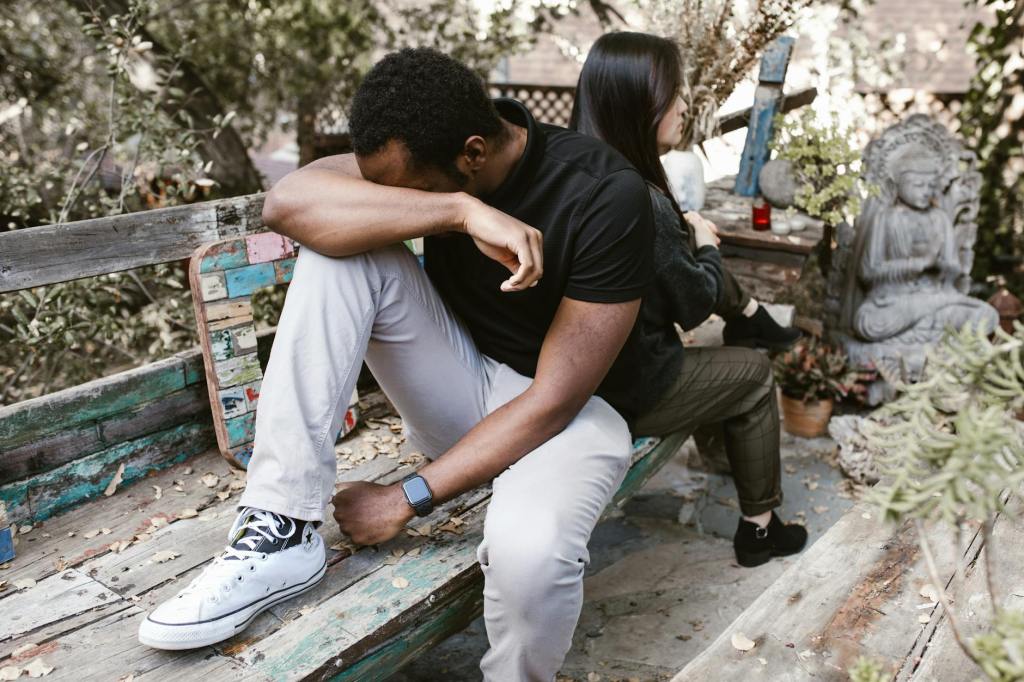
My autism diagnosis has been a mixed blessing.
On the one hand, it has brought clarity. Experiences that once felt confusing now sit within a coherent framework. I understand better why I think as I do, why I respond as I do, and why certain situations exhaust me. I have language for patterns that previously felt like personal failings.
On the other hand, the diagnosis has exposed strain in the most important relationship in my life.
The Cost of Understanding
Recently, I read a comment on an online forum for autistic adults:
For people that aren’t close to you, it’s hard for them to get their head around. It’s cognitively expensive for them to consider and understand, so they need a reason to put the effort in.
That phrase — cognitively expensive — stayed with me.
Understanding autism, particularly in an adult who masks well, does require effort. It means reinterpreting tone of voice, facial expression, literal language, shutdowns, overwhelm, and the absence of subtext. It means resisting the instinct to assume intention where there may simply be neurological difference.
From my perspective, the difficulty lies here: I struggle to understand how someone can say they understand my challenges, yet make no meaningful adjustments in how they relate to me — while I am expected to continue masking.
Masking is also cognitively expensive. It is effort layered upon effort. Over time, that cost accumulates.
A Sad Conclusion
The hard thought I find myself facing is this: if understanding me requires effort, perhaps the person closest to me no longer has sufficient reason to expend that effort.
That is painful to write.
I am aware that many neurotypical–neurodivergent relationships break down. Patience can erode. The constant need to translate across neurological difference can deplete emotional reserves on both sides. It is possible to commit sincerely and still find the reality more demanding than expected.
Diagnosis and Timing
This leads me to a wider reflection.
Early diagnosis matters. Not as a label, but as shared knowledge. When autism is understood early, it can become part of the open conversation that shapes identity, expectations, and relationship choices. It allows both people to enter intimacy with clearer sight.
Without that shared understanding, relationships may form around masked versions of the autistic person. When the mask eventually slips — as it must — both partners can feel disoriented.
We cannot reasonably expect a relationship to thrive if one partner must continuously perform a version of themselves that is unsustainable.
Love, Change, and Acceptance
I also find myself questioning a broader cultural narrative.
Why do people “fall in love” and then set about trying to change the person they have chosen? There is immense emphasis placed on the emotional experience of falling in love — often little more than powerful attraction. Yet love, in its mature form, is not simply a feeling. It is a decision. A sustained commitment.
Marriage, in that sense, is not the culmination of love but its starting point: the beginning of a lifelong practice of respect, tolerance, patience, and mutual adjustment.
Surely we all want to be loved for who we are — not for who someone else hopes we might become.
For autistic people in particular, that distinction matters. If love is conditional upon becoming more neurotypical, it is not love of the person. It is love of the mask.
And masks, however well constructed, cannot sustain a lifetime.


 Discovering My Autism
Leave a reply to pfct1101 Cancel reply